All Butter Flaky Pie Crust - A Deliciously Flaky Dough Recipe
On this page14 quick jumps
TOC
On this page
14 quick jumps
All Butter Flaky Pie Crust
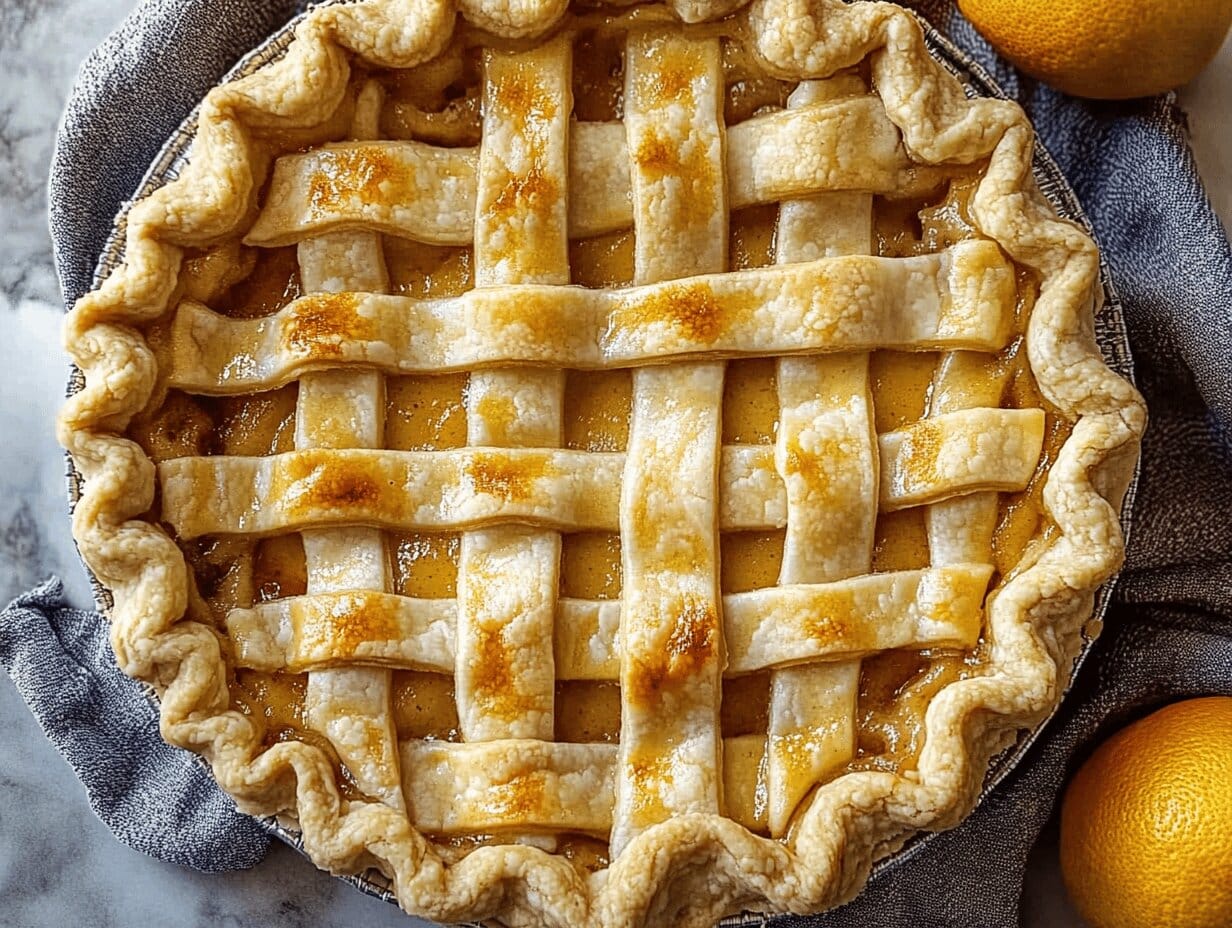
Picture this: a warm kitchen, the enticing aroma of freshly baked pie filling the air, and the sight of a golden, flaky crust that promises to cradle a sweet or savory delight. This is the magic of the All Butter Flaky Pie Crust, a culinary staple that transforms ordinary ingredients into something extraordinary. Originating from the heart of classic French baking, this pie crust is celebrated for its rich, buttery flavor and delicate, flaky texture. Each bite is a symphony of taste and texture, making it the perfect base for your favorite pies, whether it be a luscious apple pie bursting with spiced fruit or a creamy quiche brimming with seasonal vegetables. Why is this crust so phenomenal? It all comes down to the butter. Unlike store-bought alternatives, which often use oils and artificial preservatives, this recipe relies on all-natural ingredients, ensuring a depth of flavor that elevates any pie. The use of cold butter creates those coveted flaky layers, which, when baked, result in a crust that is both tender and crisp. It's a labor of love that rewards you with not just a meal, but an experience. This crust is not just food; it's nostalgia, tradition, and comfort all wrapped up in one delicious package. Whether you're a seasoned baker or a novice, the All Butter Flaky Pie Crust will surely become a cherished recipe in your kitchen.Understanding the Recipe
This All Butter Flaky Pie Crust stands out for several reasons. Its history is deeply rooted in culinary traditions that date back centuries. Originally, pie crusts were a practical solution for preserving meats and other perishables, but over time, they evolved into a beloved part of many dessert and savory dishes. The cultural significance of pies varies across regions, with each area boasting its unique fillings and crusts. For instance, in the United States, apple pie is synonymous with comfort and home, often served during holidays and family gatherings, while in France, the buttery crust is used for decadent tarts filled with fresh fruits or rich creams. Furthermore, this pie crust is incredibly versatile, making it an ideal choice for various occasions. Whether you're celebrating a holiday, hosting a dinner party, or simply craving a comforting dessert, this flaky crust will impress your guests and satisfy your cravings. The simplicity of the recipe also encourages creativity; you can easily adapt it for both sweet and savory fillings, ensuring that it remains a go-to recipe in your culinary repertoire. So, whether you're using it for a classic cherry pie in summer or a hearty chicken pot pie in winter, this crust will always deliver exceptional results.Why You’ll Love This Recipe
- Perfect for special occasions that call for a homemade touch.
- Quick and easy preparation, allowing you to focus on the filling.
- Rich in flavor with a perfect flaky texture that melts in your mouth.
Ingredient Breakdown
Creating the All Butter Flaky Pie Crust requires only a handful of ingredients, each playing a vital role in achieving that perfect texture and flavor. Here’s what you’ll need:- 2½ cups all-purpose flour
- 1 tsp salt
- 1 cup unsalted butter (COLD, cubed)
- 1 tbsp vinegar (white or apple cider)
- 6-10 tbsp ice water
Essential Ingredients
Each ingredient plays a crucial role in ensuring your pie crust turns out perfectly. The all-purpose flour provides the necessary structure and elasticity, while the unsalted butter contributes richness and flavor. The cold temperature of the butter is essential for achieving a flaky texture, as it creates steam during baking. The vinegar not only adds a touch of tanginess but also works to inhibit gluten formation, resulting in a tender crust. Lastly, the ice water helps to bind everything together, allowing for ease in handling the dough. It’s this combination that creates a crust that is not only delicious but also boasts the perfect texture for your pies.Step-by-Step Instructions
Now that we've covered the ingredients, let’s dive into the step-by-step process for creating your All Butter Flaky Pie Crust. Follow these instructions closely to ensure success:- First, in a large mixing bowl, combine the all-purpose flour and salt. Use a whisk or fork to ensure they are evenly mixed.
- Next, add the cold, cubed butter to the flour mixture. Using a pastry cutter or your fingers, blend the butter into the flour until the mixture resembles coarse crumbs. Be careful not to overwork the dough; you want visible chunks of butter for flakiness.
- Then, drizzle in the vinegar, followed by the ice water, one tablespoon at a time. Stir gently after each addition until the dough begins to clump together. Aim for a texture that is moist but not sticky.
- Once the dough has formed, turn it out onto a lightly floured surface. Divide it into two equal portions and shape each into a disk. Wrap each disk tightly in plastic wrap and refrigerate for at least one hour (or up to one week). This resting period allows the gluten to relax, resulting in a more tender crust.
- After chilling, remove one disk from the fridge. On a lightly floured surface, roll it out to a thickness of 1/8” to 1/4”. Be sure to rotate the dough frequently to maintain an even shape and prevent sticking.
- Finally, carefully place the rolled-out dough into your pie plate. Gently press it into the plate without stretching it. Trim any excess dough hanging over the edges, and your crust is ready for filling!
Common Mistakes to Avoid
To ensure the perfect dish, avoid these common mistakes: First, don't skip the chilling step; it’s crucial for achieving that flaky texture. Second, make sure your butter is cold; if it’s too warm, the crust will become tough instead of flaky. Lastly, be cautious not to overmix the dough; overworking it can lead to a dense crust. Remember, the key to a successful pie crust lies in handling the dough gently and keeping everything cold.Variations and Customizations
This All Butter Flaky Pie Crust can be customized in numerous ways, making it suitable for a variety of dishes. For a sweeter version, you can add a couple of tablespoons of sugar to the flour mixture, enhancing the crust's flavor for fruit pies or desserts. Alternatively, if you’re feeling adventurous, consider experimenting with different types of flour, such as whole wheat or almond flour, to add unique flavors and textures. Regional variations also exist; for example, a Southern-style pie crust may incorporate buttermilk for extra tenderness, while a savory version might include herbs for added flavor.Serving Suggestions
When it comes to serving your pie, presentation is key. A beautifully baked pie deserves to be showcased. Place it on a decorative pie stand or a simple white plate to highlight its golden crust. If you're serving a fruit pie, consider a scoop of vanilla ice cream or a dollop of freshly whipped cream to complement the flavors. For savory pies, a light side salad with a tangy vinaigrette can balance the richness of the filling. Additionally, pairing your pie with a warm beverage, such as spiced cider or a crisp white wine, can elevate the dining experience.Best Side Dishes
- Serve with fresh bread or rice for a comforting meal.
- Pair with a light salad for a refreshing contrast to the richness of the pie.