Irresistible Homemade Hot Pepper Jelly: A 30-Minute Recipe
On this page14 quick jumps
TOC
On this page
14 quick jumps
Introduction
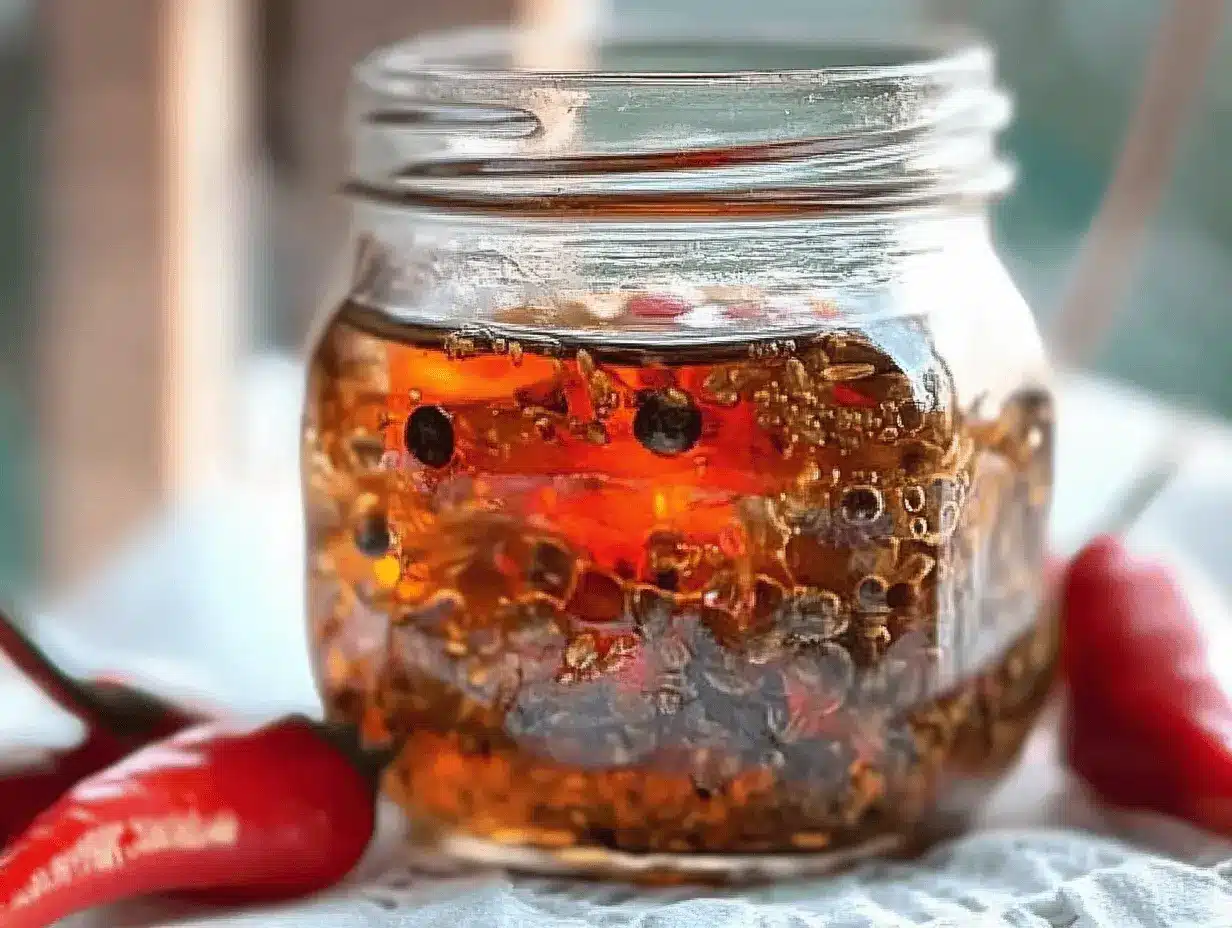
There's something incredibly satisfying about creating your own condiments from scratch. Homemade hot pepper jelly is not just any jelly; it’s a vibrant blend of flavors that can elevate your meals and impress your guests. Imagine a summer barbecue where your homemade jelly offers a spicy twist on traditional fare, or a holiday gathering where it pairs beautifully with a cheese platter. The joy of making hot pepper jelly lies not only in the process but also in its versatility—it can be used in countless dishes, from appetizers to main courses, making it a cherished recipe in many households. Whether you're a canning novice or a seasoned pro, this recipe will guide you through the delightful experience of crafting your own hot pepper jelly, which is sure to become a staple in your pantry.Ingredients: What You Need for the Perfect Jelly
To make a delicious batch of homemade hot pepper jelly, gather the following ingredients:- 1 ½ cup finely chopped and seeded Red Bell Pepper
- 1 cup finely chopped and seeded Yellow Bell Pepper
- 1 ¼ cup finely chopped and seeded Green Bell Pepper
- ¼ cup finely chopped and seeded Jalapeño
- 1 cup Apple Cider Vinegar
- 1.75 ounces package powdered pectin
- 5 cups sugar
Step-by-Step Instructions: How to Make Hot Pepper Jelly
Making hot pepper jelly is easier than you might think! Follow these detailed steps for a successful batch:- Sterilize six 8oz canning jars and lids in boiling water.
- In a large saucepan over high heat, mix the finely chopped and seeded red, yellow, and green bell peppers along with the jalapeño.
- Add the apple cider vinegar and powdered fruit pectin to the saucepan. Stir constantly and bring the mixture to a rolling boil. Once at a boil, remove from heat.
- Add the sugar and return to high heat, bringing it back to a rolling boil for one minute.
- Remove from heat again and skim off any foam that has formed on the surface.
- Ladle the jelly evenly into the sterilized jars, filling them to ¼ inch from the top. Place the flat lids on and screw on the screw bands tightly.
- Place the jars into a canner filled with hot water (not boiling), ensuring the water covers the jars completely. Bring to a boil and process for 5 minutes before removing from heat.
- Allow the jars to cool completely. To check the seals, press the centers of the lids with your finger. If they spring back, the seal has failed and refrigeration is necessary.
Canning Tips: Preserving Your Pepper Jelly Safely
Canning is a fantastic way to preserve your hot pepper jelly, but it’s essential to follow safe canning practices. Here are some tips:- Sterilization: Ensuring jars and lids are properly sterilized prevents spoilage and bacterial growth.
- Sealing: Make sure the lids are sealed tightly to avoid contamination. Test the seals after cooling.
- Storage: Store your sealed jars in a cool, dark place. Properly canned jelly can last up to a year!
- Avoiding Spoilage: If you notice any unusual bubbles or mold, discard the jelly.
Creative Serving Suggestions: Elevate Your Dishes
Hot pepper jelly is incredibly versatile, and there are countless ways to incorporate it into your meals:- Spread it over cream cheese for an easy appetizer.
- Use it as a glaze on roasted meats, such as chicken or pork.
- Mix it into cocktails for a spicy kick.
- Drizzle it over fried Brussels sprouts for an unexpected flavor boost.
- Pair it with a Honeycrisp apple broccoli salad for a refreshing side.
- Glaze a Crockpot French onion meatloaf for a unique twist at dinner.
Health Benefits of Peppers: Why This Jelly is Good for You
Not only is hot pepper jelly delicious, but it also comes with several health benefits thanks to the vibrant peppers used:- Vitamins: Peppers are rich in vitamins A and C, which are essential for maintaining a healthy immune system.
- Metabolism Boost: Capsaicin, found in jalapeños, may help boost metabolism and promote weight loss.
- Antioxidants: Peppers contain antioxidants that help fight free radicals in the body, potentially reducing the risk of chronic diseases.
Troubleshooting Common Canning Issues
Even experienced canners encounter issues from time to time. Here’s how to troubleshoot some common problems:- Jars Not Sealing: Ensure the rims are clean and free from debris. If a jar doesn’t seal, it can be refrigerated and consumed within a month.
- Jelly Not Setting: If your jelly doesn't set, you can reprocess it by adding more pectin and boiling it again. Double-check your measurements for accuracy!
- Cloudiness: This can occur if the jelly is overheated or if the fruit is not properly prepared. Always chop and prepare ingredients carefully.